
Create Together, One Tiny Lesson at a Time

Why Tiny, Touch‑Ready Lessons Win Attention
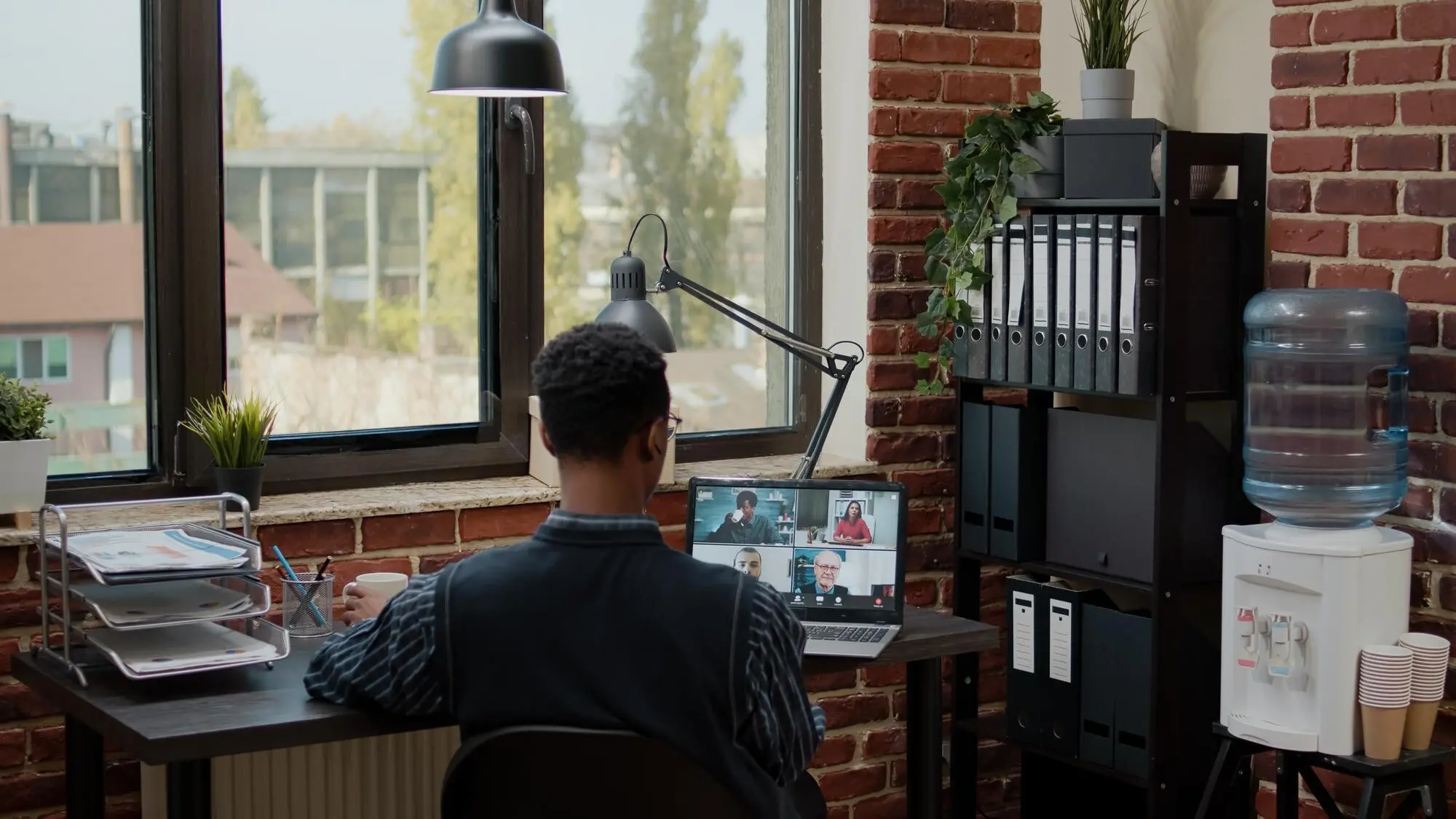
Crafting Scripts and Visuals for Thumb‑First Viewing
Script Templates Optimized for Vertical Framing
Use a two-column outline: action on the left, on-screen text on the right. Keep lines short, verbs lively, and pauses intentional for overlays. Reading aloud during drafting reveals awkward phrasing, helping collaborators comment quickly and propose alternatives without derailing the shared production calendar.
Micro‑Screen Typography, Color, and Contrast
Large x-height fonts, high luminance contrast, and generous line spacing fight glare outdoors. Favor solid backgrounds behind text, avoid busy textures, and align elements within a consistent grid. When in doubt, increase size and whitespace, because fingers are imprecise and eyes deserve comfort.
Captioning, Overlays, and Gesture Prompts
Captions should summarize actions, not merely repeat narration. Use directional arrows, animated circles, and haptic cues where supported to guide taps. A quick countdown before critical gestures prevents misses. Each overlay becomes a partner, coaching viewers while leaving space for co-authors to refine.
Real‑Time Collaboration Workflows From Phone to Cloud

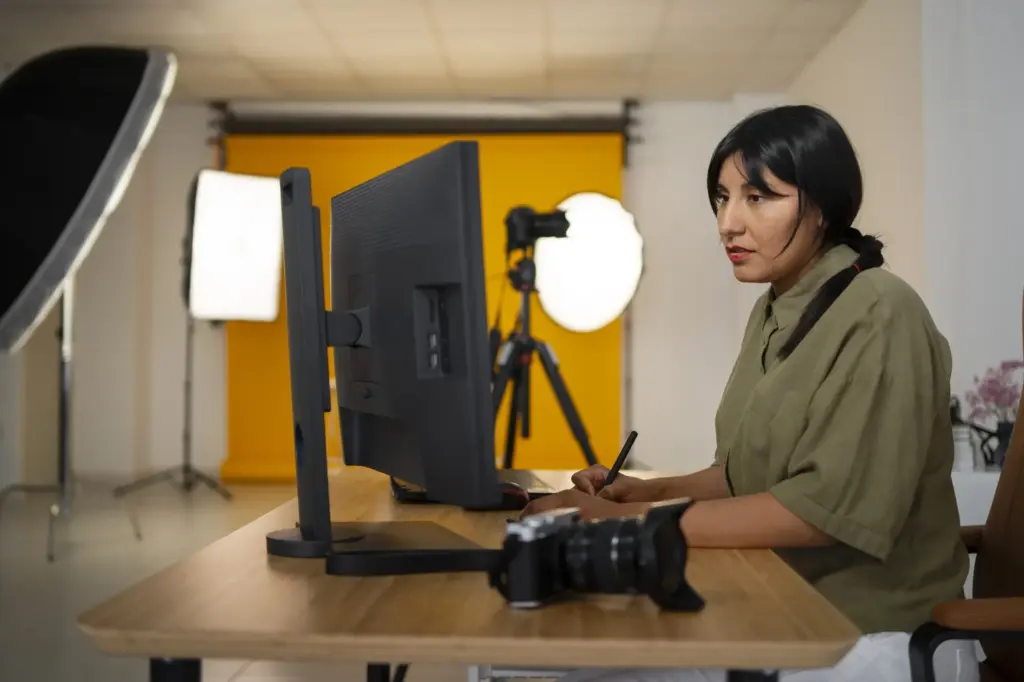
Accessibility, Localization, and Offline Resilience